ask the ones who didn't buy
Happy customers are lovely and mostly useless for growth. They already bought. The people who looked, tried and left know exactly what stopped them, and almost nobody asks. This is part seven of our weekend series on selling when you’re small.
happy customers are bad teachers
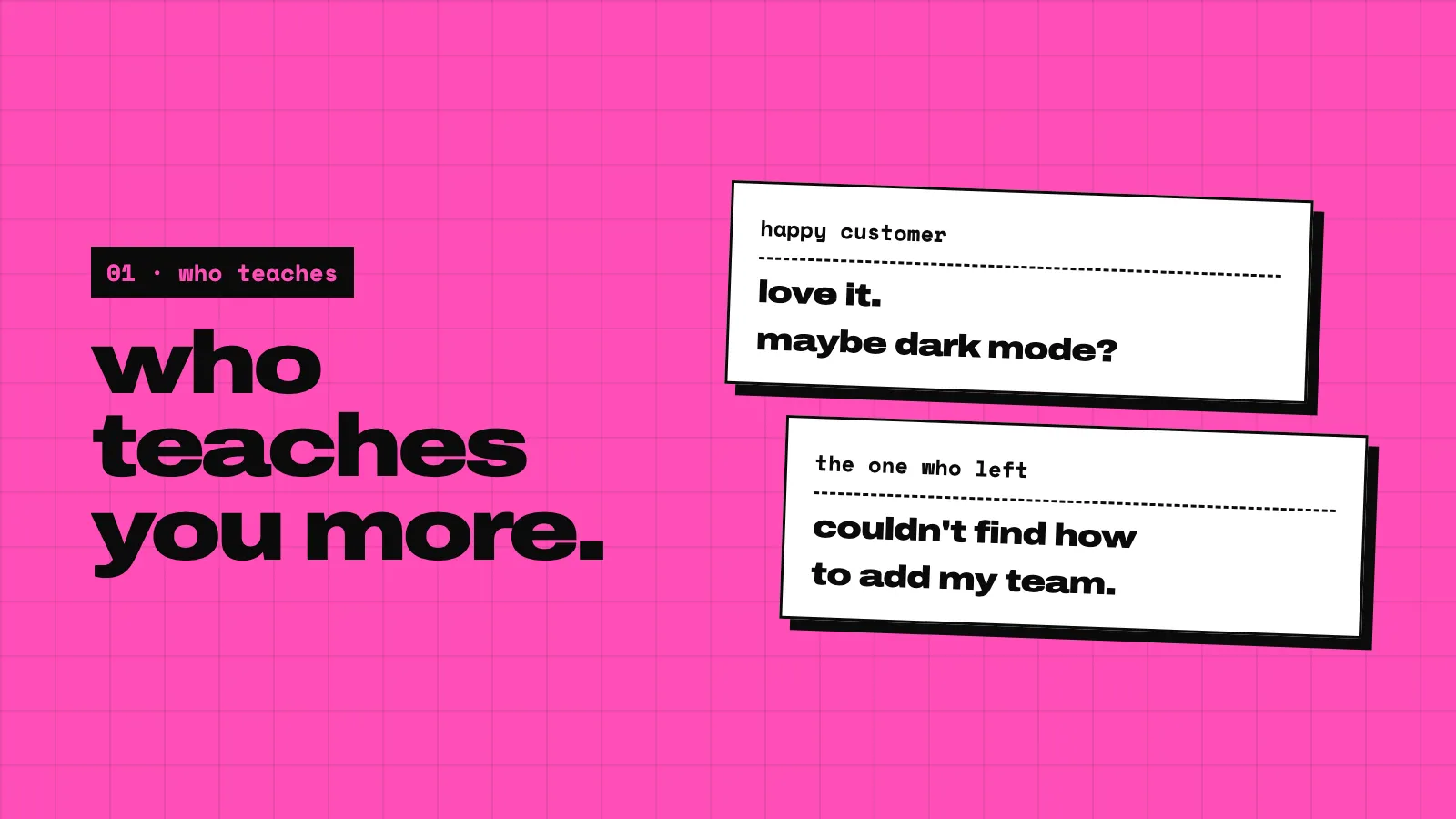
Ask a happy customer what to improve and you’ll hear “it’s great, maybe dark mode”. They got past every problem on the way in, so they don’t remember the problems.
The person who left hit one of them and stopped. That’s the problem you need to hear about, and they’re the only ones who can tell you.
who to ask
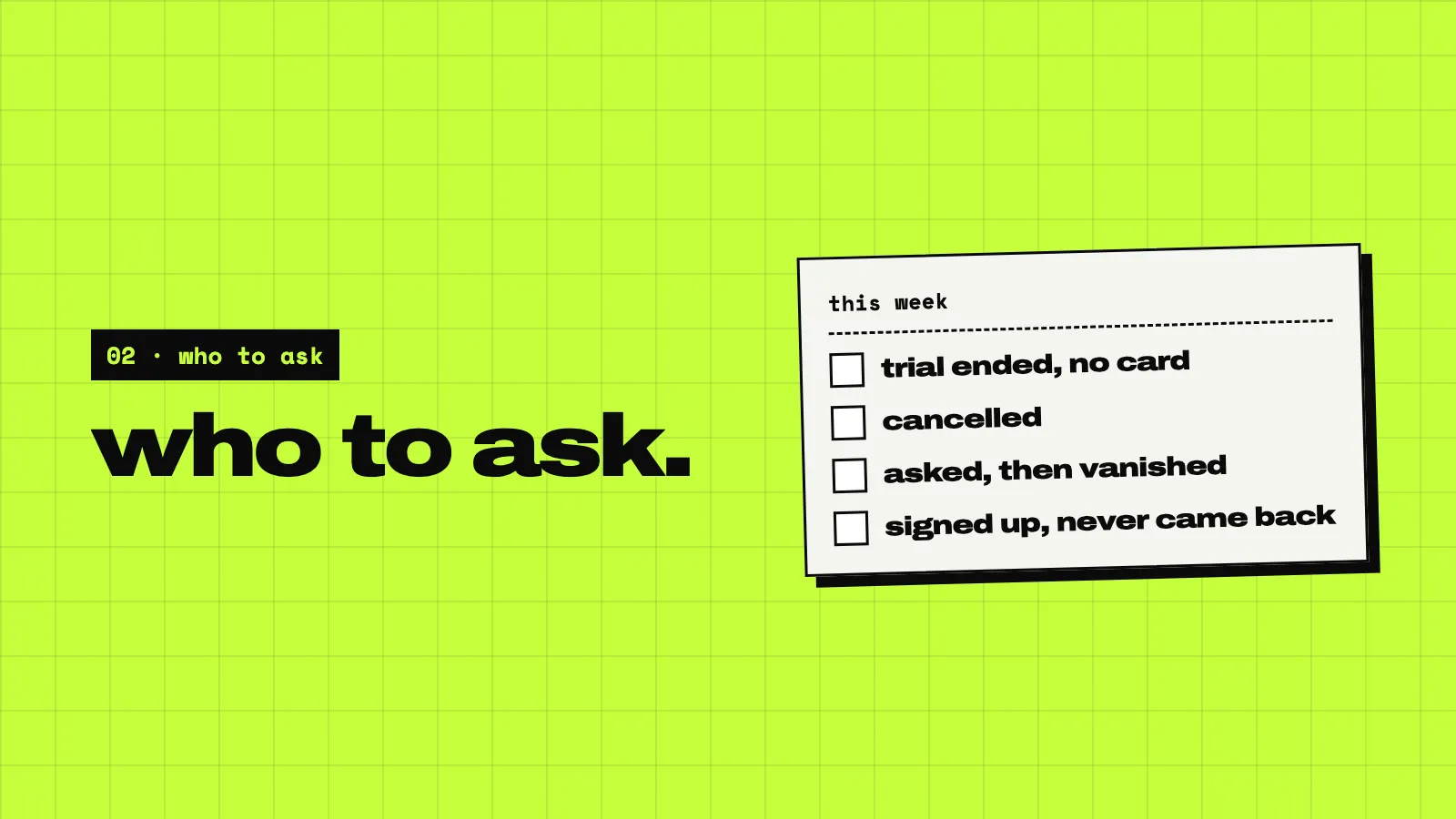
- The trial that ended without paying. They were interested enough to sign up.
- The person who cancelled. They paid once, so something changed.
- The one who asked a question and vanished. Something in your answer, or the wait, lost them.
- The signup who never came back. They got stuck somewhere in the first ten minutes.
how to ask
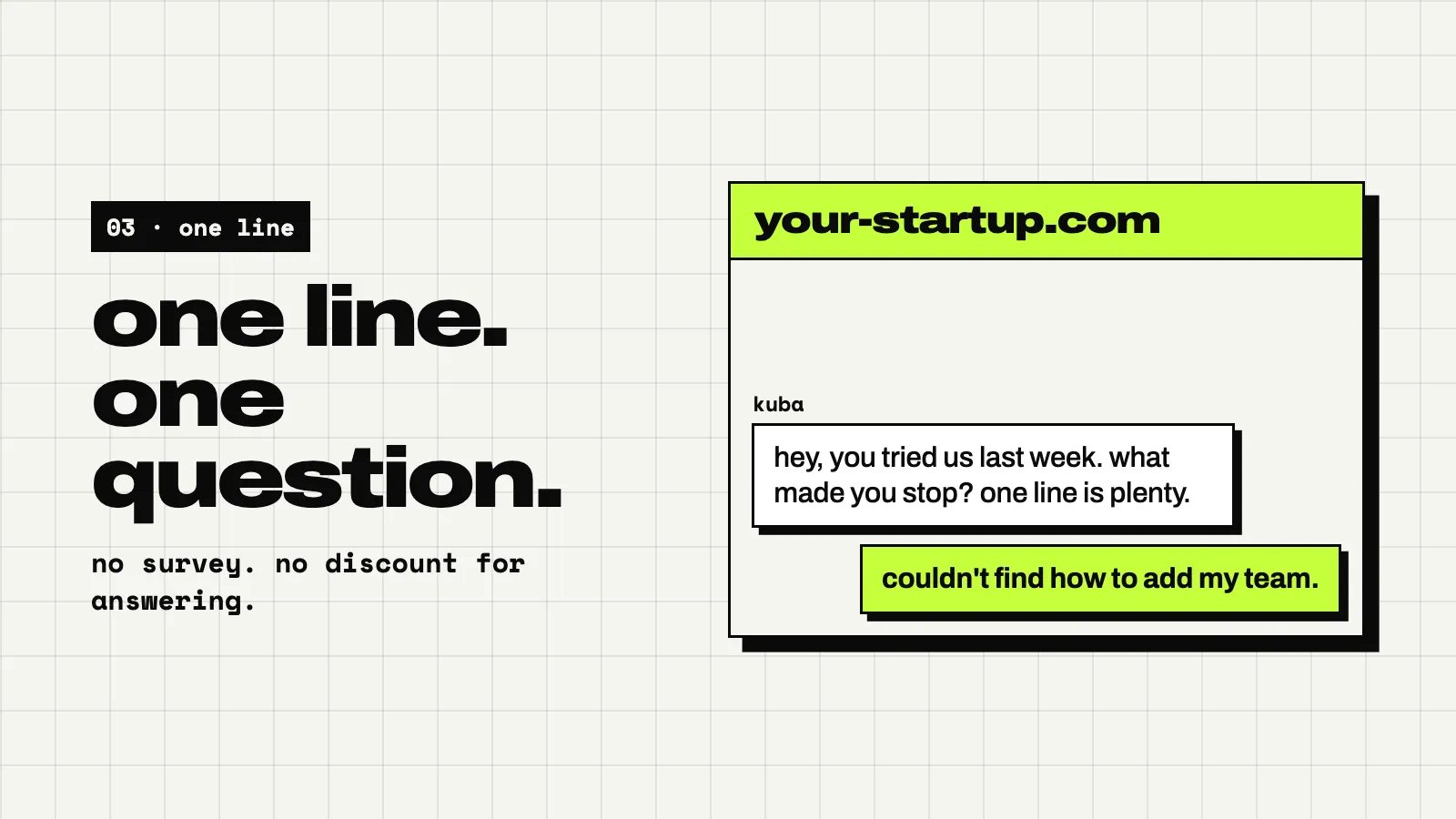
One short, human message. From a person, not a no-reply address. One question. No survey, no form, no star rating.
“Hey, it’s Kuba from Spookat. You tried us last week and didn’t stay. What made you stop? One line is plenty, and ‘just looking’ is a fine answer.”
That’s it. Don’t bribe them with a discount for answering; you’ll hear what they think you want to hear. Don’t send a follow-up if they don’t reply. Most won’t. The ones who do are gold.
what you’ll hear
The answers fall into a few piles, and each has its own fix.
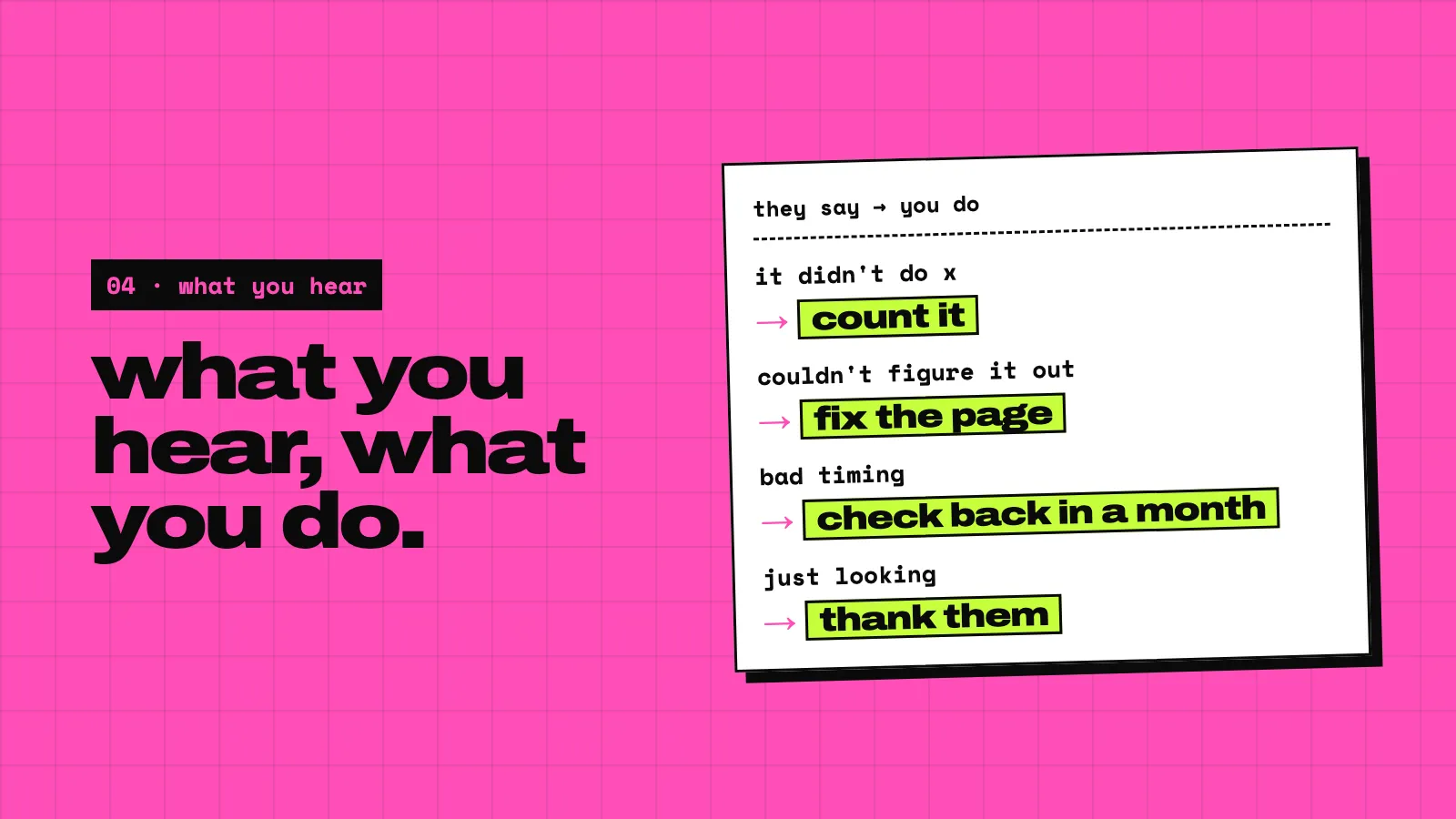
- “It didn’t do X.” Count it. One person is an opinion, five are a roadmap.
- “I couldn’t figure out how to…” Your fault, and the cheapest fix you’ll ever get. Fix the page or the setup.
- “Too expensive.” Read last week’s post. It usually means something else.
- “Bad timing.” Ask if you can check back in a month. Then do.
- “Just looking.” Fine. Thank them and let it go.
don’t argue
When someone tells you why they left, say thanks. Don’t explain why they’re wrong, don’t point to the docs page they missed, don’t send a feature list. They did you a favour. If you fixed the thing they mentioned, tell them in a month. That’s the one follow-up that brings people back.
make it easy to answer
The easier it is to reply, the more people do. A message in the same chat they already used gets more answers than an email from a new address. A reply that lands in their inbox and opens the same chat in one click beats a link to a form.
how spookat helps
When a visitor leaves an email in the Spookat chat, your answer follows them after they’ve gone, with a link that opens the same conversation so they can answer right there (pro and up). You read and answer in a Slack or Discord thread, or in our inbox and its phone app.
It’s $4.99 a site a month, with 14 days to try it and no card. See how it works.
Tomorrow, the last one: onboard your first ten users by hand.